Cetirizine vs Aspirin: Complete Medical Guide, Chemistry, Uses, Dosage, and Safety
Chemical Nature and How These Medicines Work
Cetirizine and Aspirin are two very different medicines because they target completely different biological systems in the body.
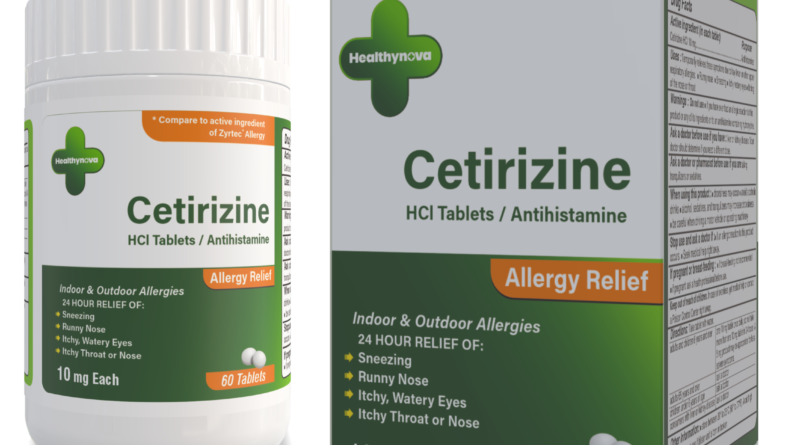
Cetirizine (chemical formula C21H25ClN2O3) is an antihistamine. It works by blocking histamine receptors (H1 receptors). Histamine is a chemical released during allergic reactions that causes sneezing, itching, watery eyes, runny nose, and skin irritation. By blocking this chemical, cetirizine reduces allergy symptoms.
Aspirin (chemical formula C9H8O4) is a nonsteroidal anti-inflammatory drug (NSAID). It works by blocking COX enzymes, which reduces prostaglandins and thromboxanes. These chemicals are responsible for pain, inflammation, fever, and blood clot formation.
So in simple terms:
Cetirizine = controls allergies
Aspirin = controls pain, inflammation, fever + blood thinning
Medical Uses and When Each Medicine Is Used
Cetirizine is used for:
- Seasonal allergies (hay fever)
- Runny nose and sneezing
- Itchy eyes
- Skin allergies and hives
- Dust and pollen reactions
- Allergic rashes
It is mainly used when the immune system reacts too strongly to harmless substances.
Aspirin is used for:
- Headaches
- Fever
- Muscle pain
- Joint pain
- Inflammation (arthritis)
- Prevention of blood clots (low dose use)
- Heart attack and stroke risk reduction
It is both a painkiller and a cardiovascular medicine.
Dosage, Milligrams, and Safe Use
Cetirizine
- Adults: 10 mg once daily
- Children: 5 mg or lower depending on age
- Duration: usually daily during allergy season
It is usually taken once because it lasts around 24 hours.
Aspirin
- Pain/fever: 300–650 mg every 4–6 hours
- Low-dose heart protection: 75–100 mg once daily
- Maximum (pain use): up to 4000 mg/day under supervision
It should be taken with food to reduce stomach irritation.
Side Effects and Safety Risks
Cetirizine may cause:
- Mild drowsiness
- Dry mouth
- Fatigue
- Headache
- Occasional dizziness
Usually considered a low-risk allergy medicine.
Aspirin may cause:
- Stomach irritation
- Heartburn
- Nausea
- Increased bleeding risk
- Stomach ulcers (long-term use)
It can also cause serious internal bleeding in high doses or sensitive individuals.
Who Can Use and Who Should Avoid
Cetirizine is safe for:
- Allergy patients
- Adults and children (correct dose)
- Seasonal allergy sufferers
Avoid or use carefully if:
- Severe kidney disease
- Heavy alcohol use (can increase drowsiness)
Aspirin is safe for:
- Adults with pain or inflammation
- Patients needing heart protection (doctor prescribed)
Avoid if:
- Children with viral infections
- Stomach ulcers
- Bleeding disorders
- NSAID allergy
- Late pregnancy
Final Medical Summary
Cetirizine and Aspirin are very different medicines.
Cetirizine is mainly used for allergies by blocking histamine, while aspirin is a multi-purpose drug used for pain, fever, inflammation, and blood thinning.
Both are effective and widely used, but they must be taken with proper dosage awareness and safety precautions to avoid side effects.