Complete Guide to Paracetamol: Uses, Benefits, Dosage, and Side Effects
Paracetamol is one of the most widely used medicines in the world. It is commonly used to relieve pain and reduce fever. This medicine is often found in households because of its effectiveness, affordability, and general safety when taken correctly. It is used by millions of people daily for headaches, body aches, fever, colds, toothaches, and mild to moderate pain conditions.
Paracetamol belongs to a class of medicines known as analgesics and antipyretics. Analgesics help reduce pain, while antipyretics lower body temperature during fever. Unlike some other pain-relief medications, paracetamol does not usually cause stomach irritation, which makes it a preferred choice for many people.
One of the primary uses of paracetamol is treating fever. When the body experiences infection, temperature often rises as part of the immune response. Paracetamol helps regulate body temperature by affecting the heat-regulating center in the brain.
This medicine is also effective for headaches. Whether caused by stress, lack of sleep, dehydration, or illness, paracetamol can help reduce headache discomfort.
Paracetamol is commonly used for muscle pain. After exercise, physical strain, or body fatigue, it can provide temporary relief.
Toothaches are another common condition treated with paracetamol. It helps reduce pain while patients wait for professional dental treatment.
Cold and flu symptoms often include fever, headaches, and body aches. Many cold medications contain paracetamol as an active ingredient.
Paracetamol is also frequently recommended after minor surgeries or vaccinations to reduce pain and fever.
The dosage depends on age and body weight. Adults typically take 500 mg to 1000 mg every four to six hours as needed, but should not exceed the recommended daily limit.
For children, dosage must be carefully measured according to weight and age.
One major advantage of paracetamol is that it is generally gentle on the stomach compared to anti-inflammatory painkillers.
However, taking too much can be dangerous. Overdose can cause severe liver damage, which may become life-threatening.
Symptoms of overdose may include nausea, vomiting, abdominal pain, sweating, confusion, and fatigue.
People with liver disease should consult a healthcare provider before use.
Alcohol consumption can increase the risk of liver complications when combined with paracetamol.
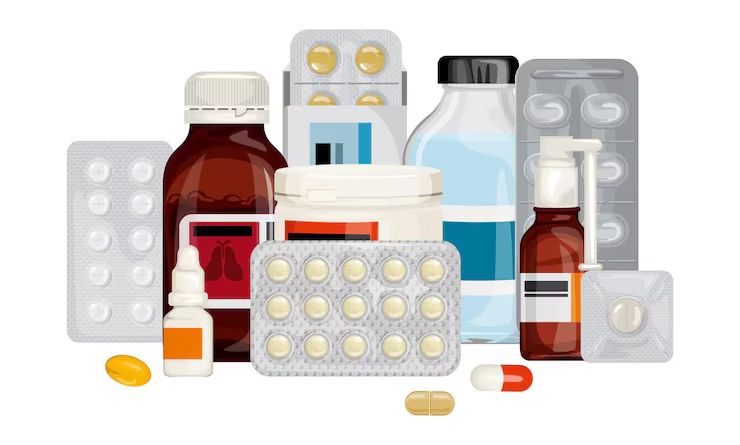
Paracetamol is available in tablets, syrups, capsules, and dissolvable forms.
It is commonly included in combination medicines for flu and pain relief.
Despite being considered safe, it should only be used as directed.
Paracetamol remains one of the most trusted medicines worldwide for managing everyday pain and fever.